People often ask me if I miss being a digital nomad, living the full-time travel life, which I did off and on for the better part of a decade. The short answer is…”no”, but of course, there’s a long answer too. If the long answer piques your interest, this post is for you.
Nomad life as a 20-something vs 30-something

I spent the second half of my 20’s, (from age of 24 to 29), living almost exclusively on the road out of a backpack, checking in and out of hotels every 3-5 days. Then in the second half of my 30’s, (age 34 to 37), I returned for a second round of nomad life, switching to a slower version with more short-term rentals and fewer international flights.
“It’s good to do this while you’re young!”
That’s what people used to say when they heard about the ambitiously fast-paced and globally-spanned version of nomad life, and now I have the wisened perspective to acknowledge how right they were. In my 20’s, it felt exciting to pack up and leave someplace on a whim with only vague plans for the coming weeks, but by the time my 20’s were coming to an end, I craved a slower pace.
The round 2 version of nomad life in my 30’s was much different. I didn’t have a traditional lease, but I used a friend’s ADU (auxiliary dwelling unit) as a home base to return to during gaps in short-term rentals. It wasn’t truly mine, and I still had to clear the space out each time I left, but it added a feeling adjacent to “home” to be able to return to a neighborhood I knew. And instead of spending the majority of my time overseas with occasional visits back to the States, it was more the opposite. I only added ~5 countries to my list in this time, instead of the ~65 I saw in my 20’s.
Why I’m glad I got to live the nomad life
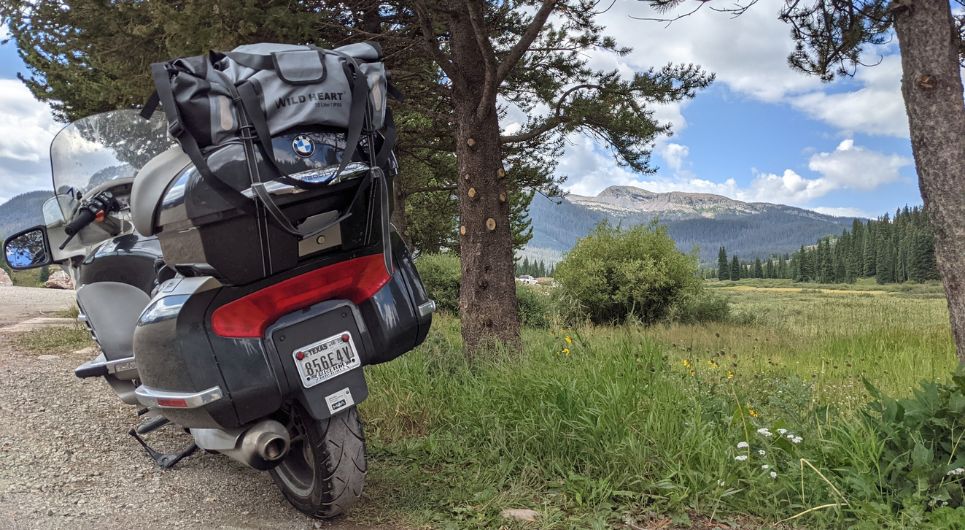
Both versions of nomadic life left important impacts on me that I still recognize in my more traditional, stationary lifestyle. Some of the impacts appear in simple little habits or behaviors, as I discussed in a previous post, but what I appreciate most are the big things.
- Living out of suitcases and backpacks for the most formative years of my adult life (with multiple stages of selling everything) taught me to really loosen my grip on stuff. This keeps my world a lot less cluttered than it might otherwise be.
- I see things within a globally aware context. This changes everything from the way I digest news to the way I view my own life.
- I don’t take luxuries for granted. When my AC broke, and it took the landlord 4 weeks to fix it, I just opened the windows.
- I value experiences more than things.
- I have countless lived adventures to remember, and the incredible gift of not needing to wonder what it would be like to drop everything and live like an explorer. Those memories are mine forever, and I don’t take that lightly.
Why I don’t miss nomadic life
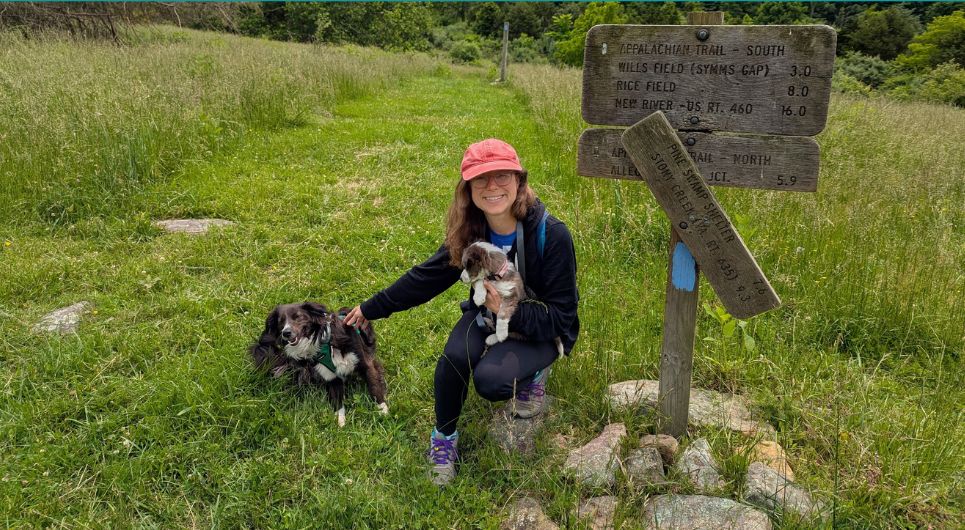
Even so…the nomadic life is not something I miss, and here’s why.
- Our recent podcast episode about podcasting on the road reminded me how hard it is to keep gadgets safe on the road. I lost 2TB of travel photos when my hard drive got knocked off a table as I was trying to set up my work station in the InterContinental Bora Bora. (Affordable cloud storage was just coming on the scene at that time.) Overwater bungalows are nice, but a stationary work zone is nice too.
- While full-time travel was incredibly good for preventing a reliance on stuff, it unconsciously directed me towards seeing things as expendable, and I never really learned to shop for quality. (Because why would I buy something of quality that might last me 10 years if I’m going to be selling it and going nomadic again in a year?) Similarly, it made me a little too quick to ditch things instead of fixing them. I’ve had to retrain myself that some things are worth fixing.
- Even if you’re able to arrange an address for accepting mail, it’s hard not to have utility bills to demonstrate your address when it’s needed (which is more often than you might think). And it’s difficult having to coordinate when you’ll be able to receive mail, refill prescriptions, or go to the doctor.
- It can be hard to keep healthy routines on the road. Sometimes there’s a good place to go on a run or do a workout, and sometimes there’s not. Sometimes there’s a kitchen stocked with the basics for cooking, and sometimes there’s not. I prefer to eat a mostly vegetarian diet, for example, but there were places where that was near impossible.
- Speaking of health, many therapists are restricted to working only in the state where they’re licensed, so it can be harder to find a therapist capable of providing care to someone “out of state”. Finding a “life coach” (who may happen to be licensed as a therapist) might be easier.
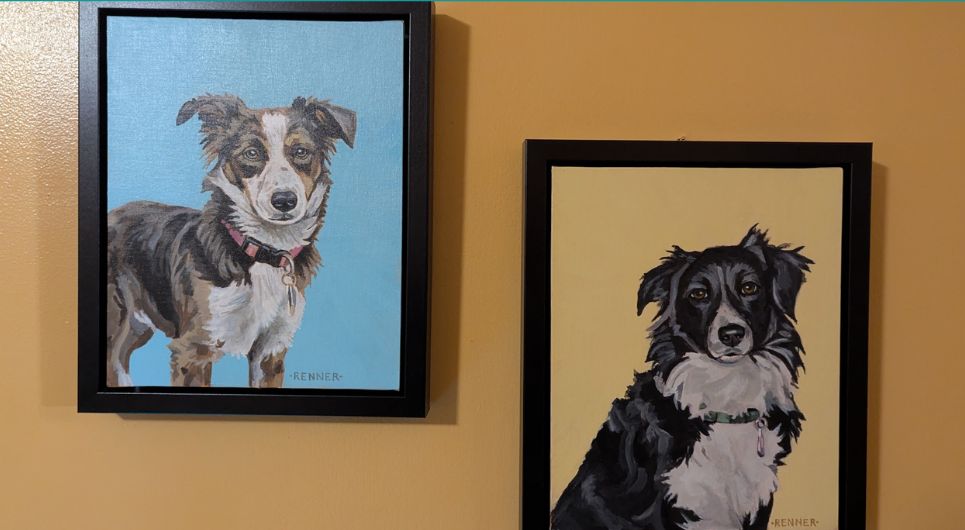
- Nomad life made it hard to focus on my non-travel interests like art, music, gardening, and DOGS. I tried to find ways to include these interests in my nomadic life, but some of those were harder to take on the road than others.
- It’s hard to always miss those spontaneous happy hours, trivia nights, and birthday parties that make you feel a part of a community. Sometimes you want to hang out with your friends in real life, not just on the phone.
- Non-stop travel is great at keeping your mind busy, but it may be more accurate to say “distracted”. This can create a pattern of work efficiency where you learn to optimize chunks of time for efficient work, but at least for me, some creative projects are easier when I have a fluid space of time to mentally wander within. A boring routine is actually a wonderful environment for creativity to show up, as well as focus.
- Speaking of boredom, when travel is your everyday, it feels like less of an adventure, and can even become boring. I hate admitting this one, but it’s true. Now that I don’t travel full-time, I find it exciting again, which is really nice.
- Constantly planning your next steps causes a mental exhaustion you don’t really get to experience in standard travel. Even with slower-paced travel, I eventually found myself craving somewhere I could just pause, re-energize, and auto-pilot for a while, without a pending check-out date to make that rest feel temporary.
Bottom line
Having a phase of nomadic life can be so good for developing certain perspectives, habits, or skills. But a stationary, routine life is also good for developing an entirely different array of healthy habits and mindsets. I’m grateful I’ve experienced both lifestyles, but nowadays, I love that travel is an exciting adventure to sprinkle throughout my more stable routine – not my core lifestyle.
 Want to learn more about miles and points? Subscribe to email updates or check out our podcast on your favorite podcast platform.
That top right picture looks a lot like Angkor Wat (I have pictures from that spot). When we got there for sunrise at 4:30 a.m. one day last year, we were shocked to find virtually everyone there for sunrise was in their 20s or early 30s (in other words, young enough to be my children). I guess nomadic life really is much easier during your youth, when you are full of energy and perfectly happy with the less finer things in life. Thanks for the article!
Starting nomad life in about a year – would love to hear more about what you learned from your experience from a points and miles perspective.
Very interesting. Nomad life is not for me, but I find the logistics and stories fascinating. Thanks, Carrie!
Hi Carrie, thank you for sharing your experience as a nomad. Do you think your husband would agree with the same pros and cons as you or would his answers be slightly different? Just curious if you align on the same pros and cons. Looking forward to reading your next Carrie confession / commentary post.
EU should be better at policing 90 day maximum stay for Mericans, who use local resources without paying taxes locally.
Great post Carrie!
Hell is an endless buffet of your favorite things.